Assistant Professor · Department of Genome Sciences
University of Virginia School of Medicine
We develop statistical learning, Bayesian methods, and deep learning & AI frameworks to decode cell–cell communication, tissue dynamics, and gene regulation from single-cell and spatial transcriptomics — with applications in cancer, inflammation, and tissue senescence.
What We Do
We build principled computational frameworks — spanning Bayesian statistics, deep learning, and modern AI — that bridge statistical theory and biological discovery, operating across scales from molecules to tissues.
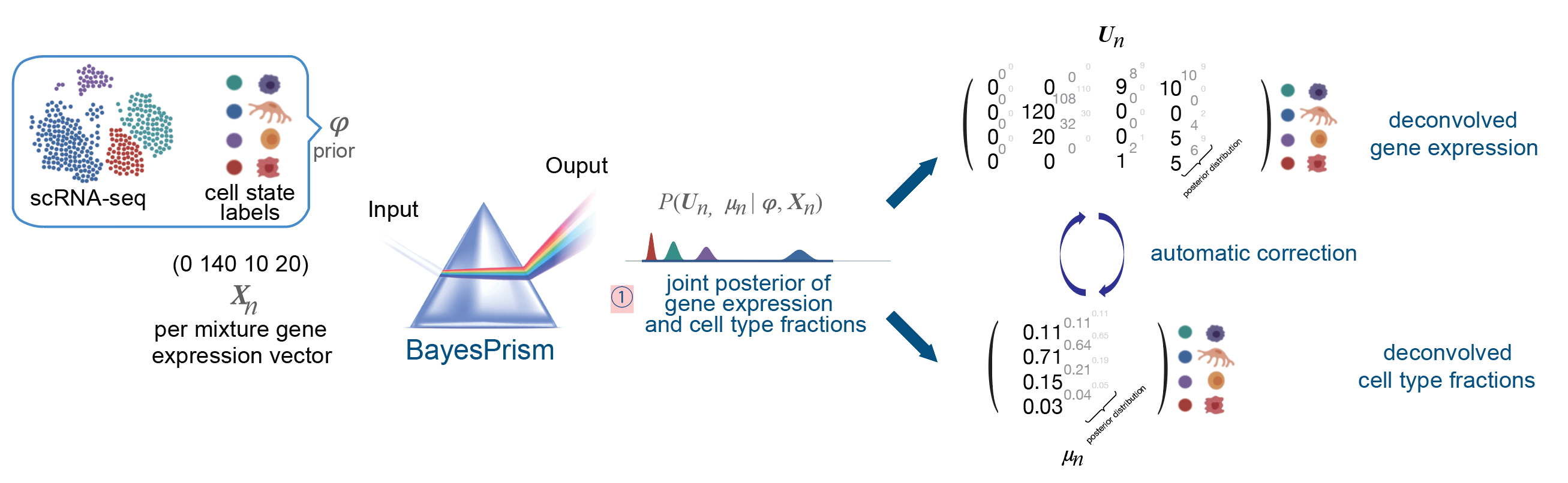
We develop statistically rigorous methods to disentangle cell-type composition and gene expression from bulk and spatial RNA-seq mixtures. Our flagship tool BayesPrism provides a fully Bayesian framework that jointly infers cell-type fractions and cell-type-specific expression — published in Nature Cancer 2022, where it has become the most-cited primary research paper in the journal since 2022 with 600+ citations, reflecting its broad adoption for tumor microenvironment analysis. Ongoing work extends BayesPrism into a next-generation deconvolution architecture that integrates eQTL modeling to characterize cell type-specific genetic effects and gene regulatory programs — including cis-eQTL dissection — bridging transcriptome deconvolution with population-level genetic analysis.
BayesPrism: scRNA-seq + bulk RNA-seq → joint posterior P(U,μ|φ,X) → deconvolved cell-type fractions & gene expression per sample.
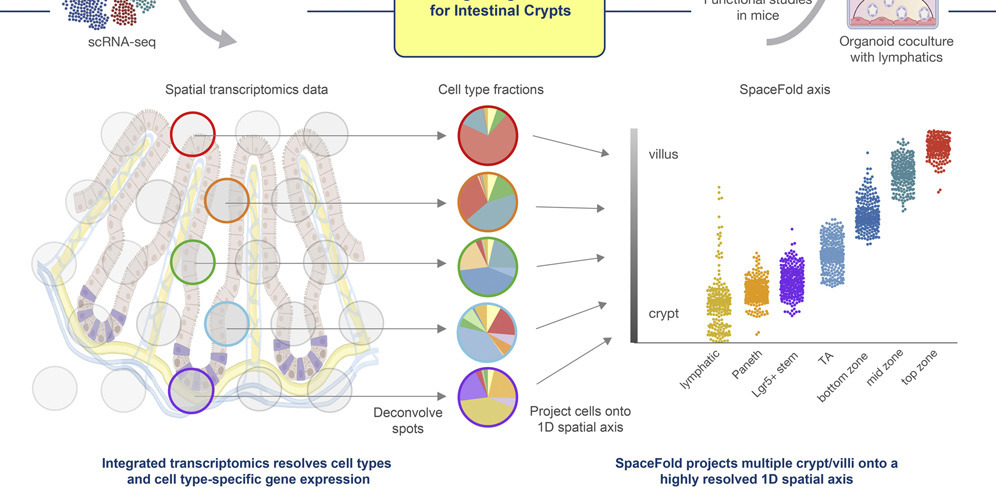
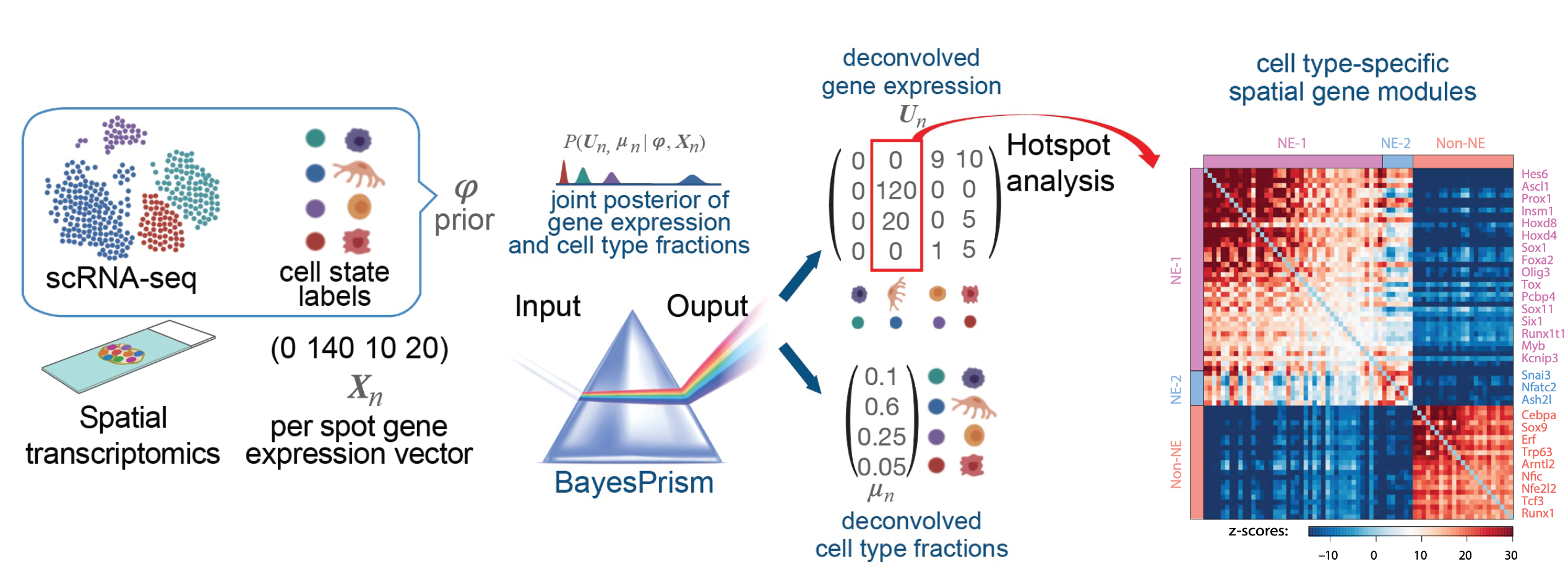
Tissues are not homogeneous — spatial context fundamentally shapes cell identity and behavior. We build methods that extract high-resolution gene expression cartography (SpaceFold), identify spatially variable gene programs within specific cell types (PrismSpot), and decode tissue microenvironments. Ongoing work develops deep learning frameworks to model cell–cell interactions directly from spatial transcriptomics data, capturing ligand–receptor signaling, paracrine communication, and niche-dependent gene regulation across complex tissues.
Top: SpaceFold maps 30+ cell types along the crypt–villus axis (Cell Stem Cell 2022). Bottom: PrismSpot identifies spatially variable gene programs within specific cell types (Nature Cancer 2024).
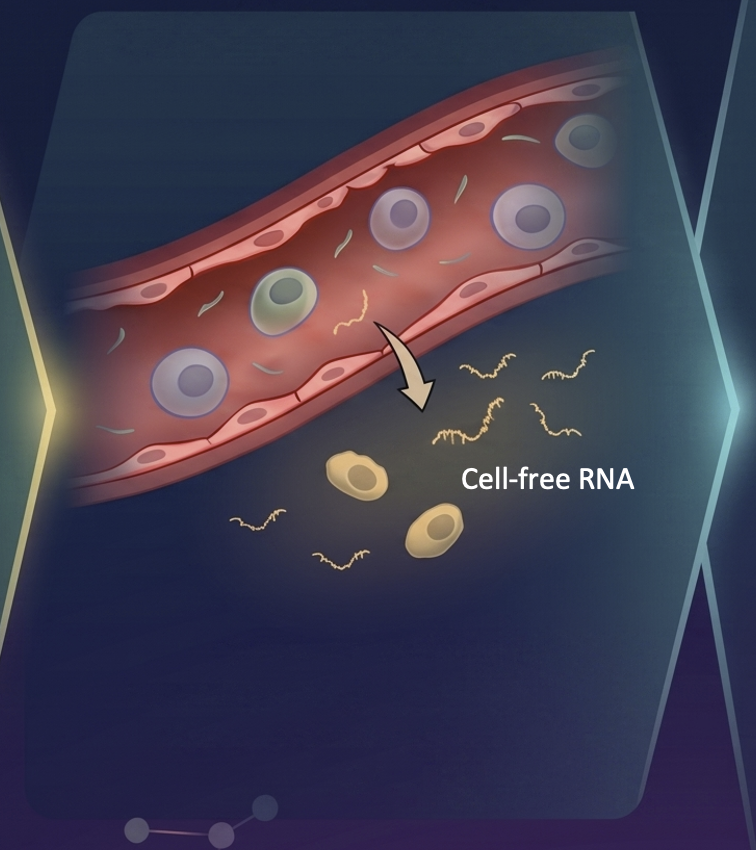
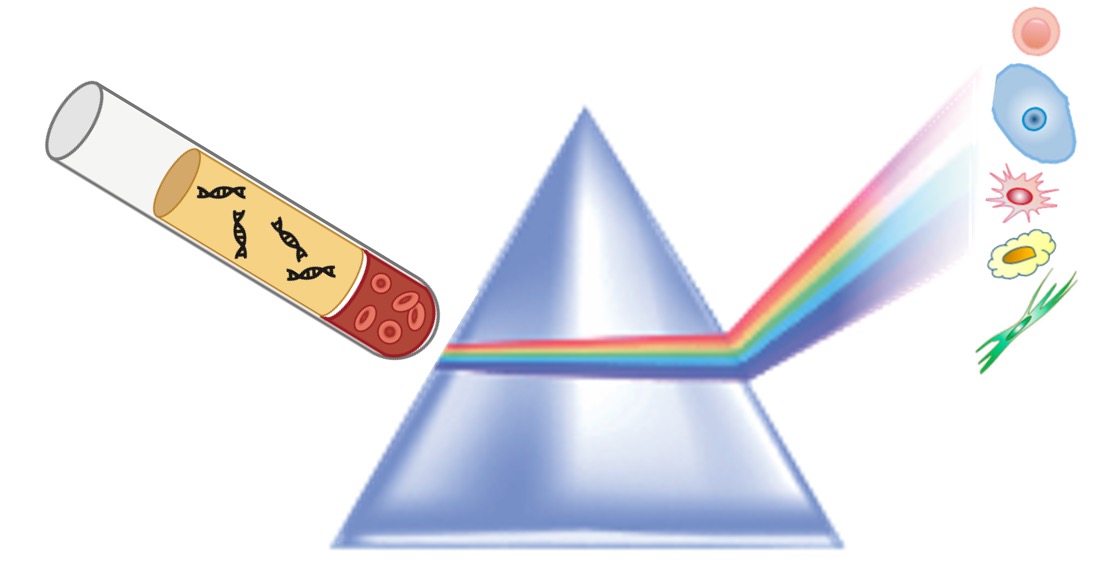
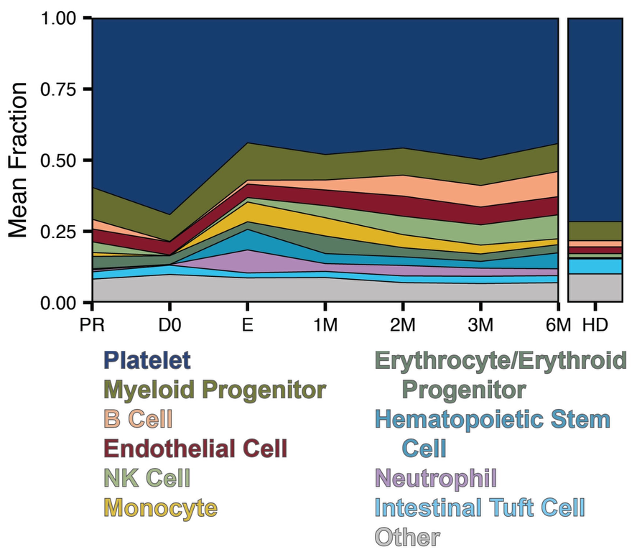
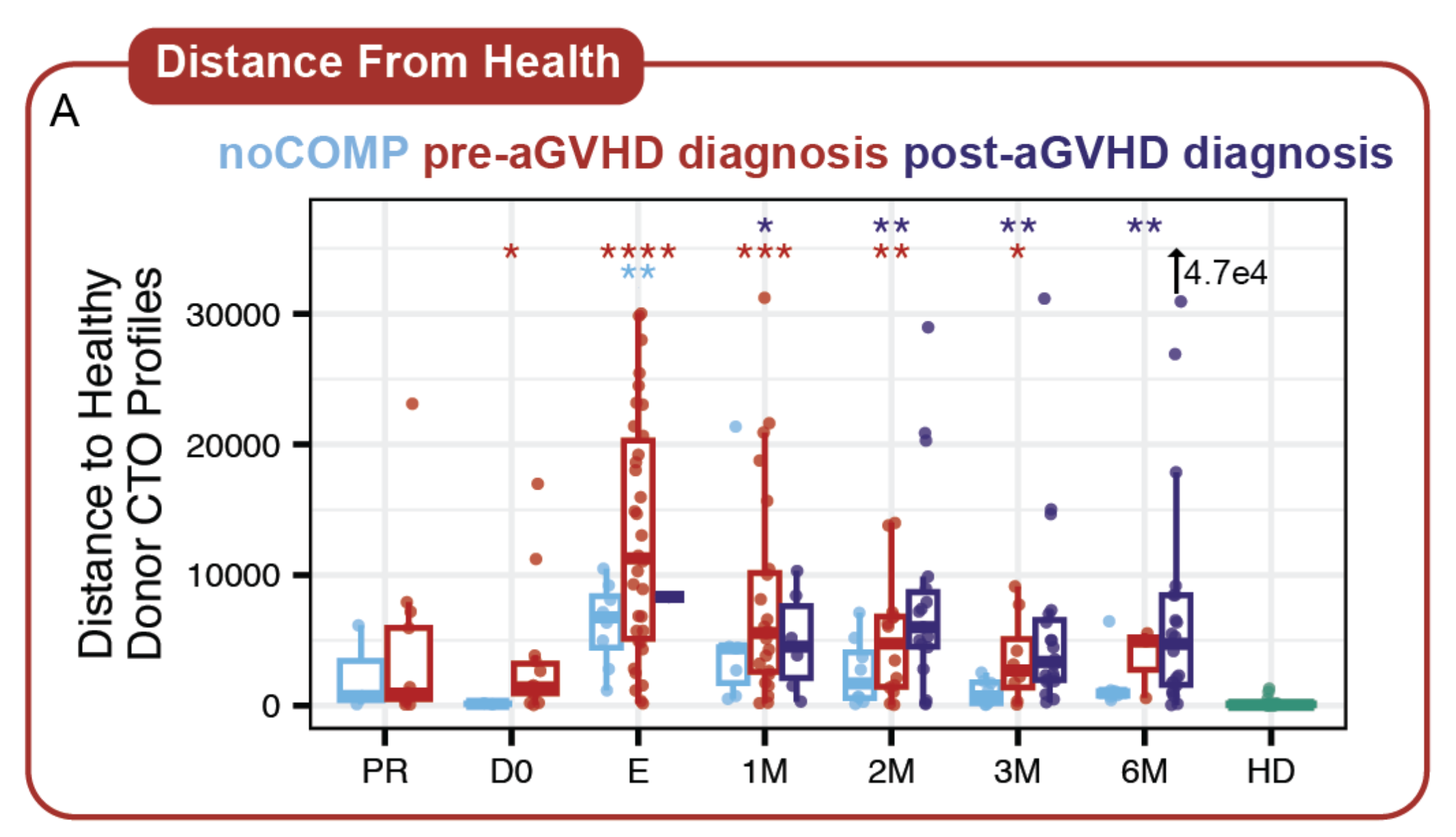
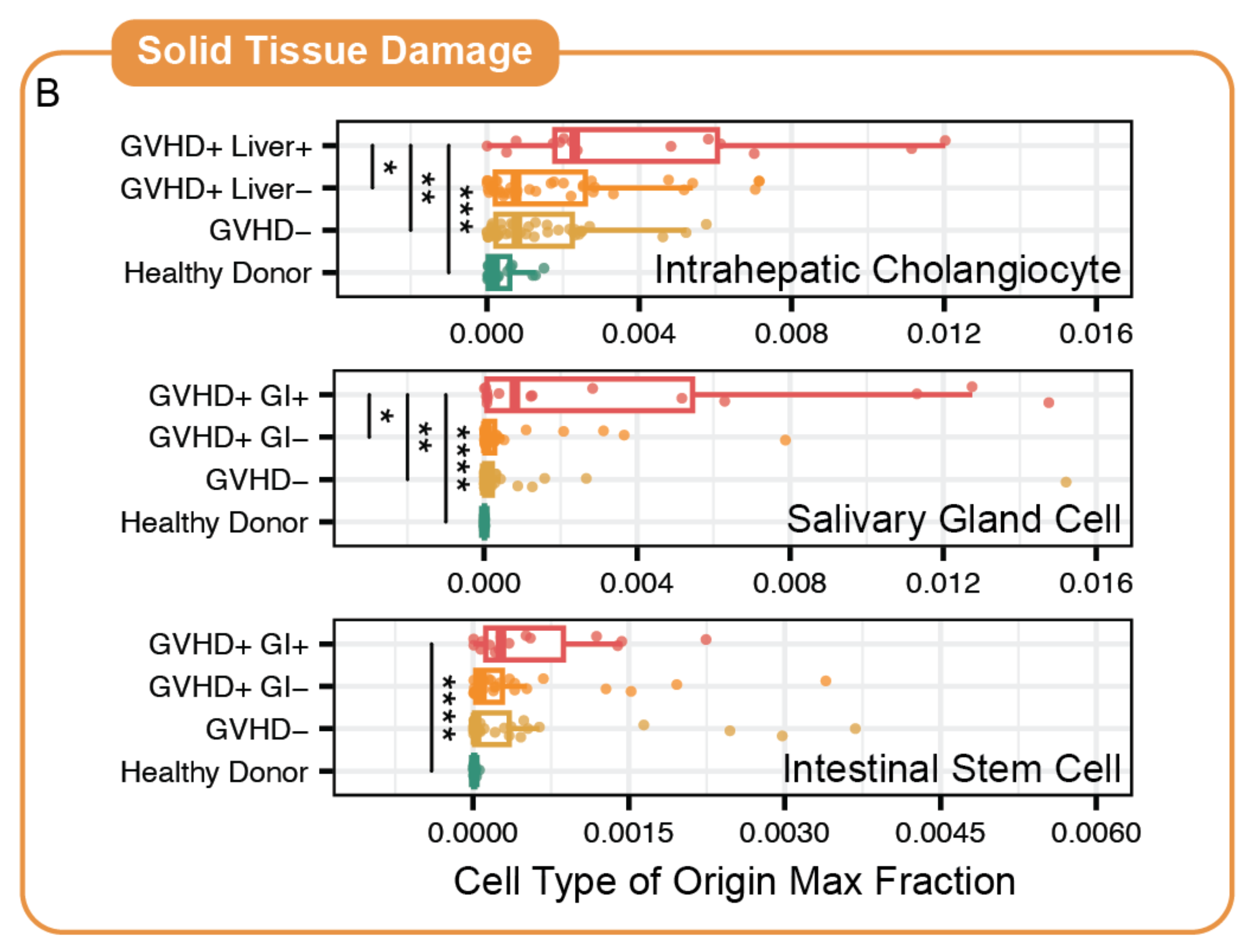
Cell-free RNA circulating in blood and urine carries molecular signatures of organ health. We develop statistical methods to infer cell-type origin from cfRNA, enabling non-invasive monitoring of organ-specific damage — demonstrated in hematopoietic stem cell transplantation and immune complications. This work carries significant translational potential: a simple blood or urine draw could replace invasive biopsies for monitoring transplant rejection, early cancer detection, and inflammatory organ injury across multiple diseases. Ongoing work expands into multimodal integration of cfRNA, cfDNA, and clinical variables, and develops methods to overcome the unique sparsity and distributional challenges inherent to liquid biopsy data.
Top: cells shed RNA into circulation — cfRNA carries multi-organ cell-type signatures. Grid: cell-type fractions shift dynamically across transplant phases; distance-from-health predicts complications; cell-type origin pinpoints damaged organs.
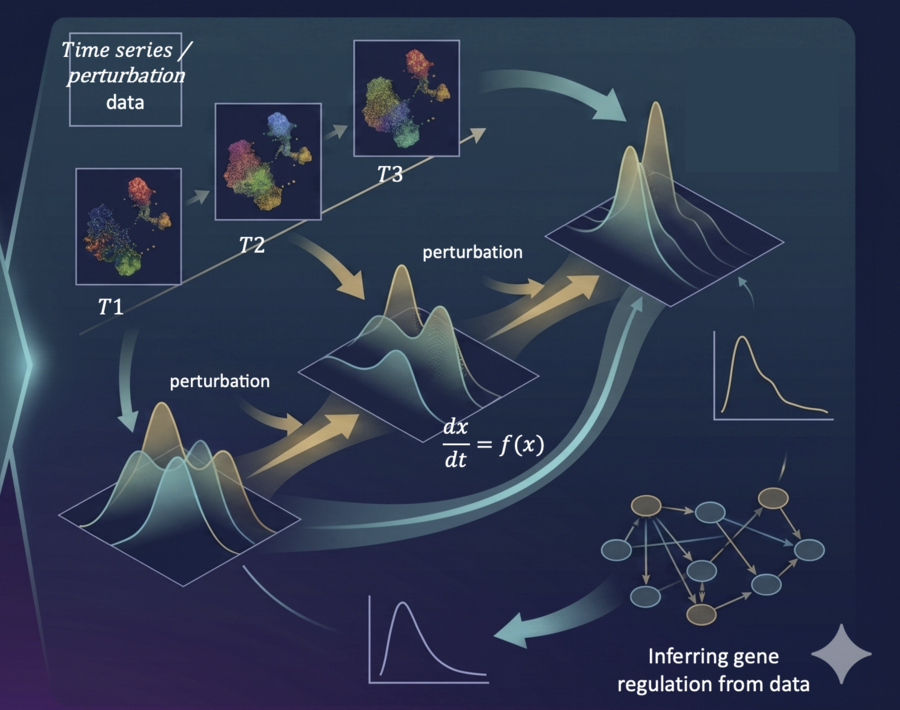
Gene expression is a dynamic process, yet most methods only analyze steady-state snapshots. We are developing physics-informed neural networks and Neural ODE frameworks that learn the governing dynamics of gene regulatory networks from perturbation data — CRISPRi/a screens, cytokine treatments, spatial gradients, and time-series single-cell experiments. The ultimate goal is to identify causal regulators of cell state transitions: moving beyond correlation to pinpoint the master transcription factors and signaling nodes that drive or block specific cell fates, enabling rational design of in silico perturbations and virtual cell experiments.
Time-series / perturbation single-cell data (T1→T2→T3) → Neural ODE dx/dt=f(x) → infer gene regulatory dynamics and predict perturbation responses.
Selected Works
† Corresponding author · * Co-first author · Full list on Google Scholar ↗
Chu, T.*†, Wang, Z., Pe'er, D. & Danko, C.G.† (2022). Cell type and gene expression deconvolution with BayesPrism enables Bayesian integrative analysis across bulk and single-cell RNA sequencing in oncology. Nature Cancer — Selected in Nature Cancer 2022 in Review Focus
doi:10.1038/s43018-022-00356-3 ↗Chu, T., Rice, E.J., Booth, G.T., Salamanca, H.H., Wang, Z., Core, L.J., …, Kwak, H. & Danko, C.G. (2018). Chromatin run-on and sequencing maps the transcriptional regulatory landscape of glioblastoma multiforme. Nature Genetics
doi:10.1038/s41588-018-0244-3 ↗Wang, Z., Chivu, A.G., Choate, L.A., Rice, E.J., Miller, D.C., Chu, T., …, Danko, C.G. (2022). Prediction of histone post-translational modification patterns based on nascent transcription data. Nature Genetics
doi:10.1038/s41588-022-01026-x ↗Wang, N., Wang, Z., Danko, C.G. & Chu, T.† (2022). Mapping transcription regulation with run-on and sequencing data using the web-based tfTarget gateway. Methods in Molecular Biology
Niec, R.E.*, Chu, T.*, Gur-Cohen, S.*, Schernthanner, M.*, Hidalgo, L., Kataru, R., …, Pe'er, D. & Fuchs, E. (2022). Lymphatics act as a signaling hub to regulate intestinal stem cell activity. Cell Stem Cell
doi:10.1016/j.stem.2022.05.007 ↗Romero, R., Chu, T., González-Robles, T.J., Smith, P., Xie, Y., Kaur, H., …, Pe'er, D. & Sawyers, C.L. (2024). The neuroendocrine transition in prostate cancer is dynamic and dependent on ASCL1. Nature Cancer
doi:10.1038/s43018-024-00838-6 ↗Castillo, R.L.*, Sidhu, I.*, Dolgalev, I.*, Chu, T., et al. (2022). Spatial transcriptomics stratifies health and psoriatic disease severity by emergent cellular ecosystems. Science Immunology
doi:10.1126/sciimmunol.abq7991 ↗Glasner, A., Rose, S.A., Sharma, R., Gudjonson, H., Chu, T., et al. (2023). Conserved transcriptional connectivity of regulatory T cells in the tumor microenvironment informs novel combination cancer therapy strategies. Nature Immunology
doi:10.1038/s41590-023-01504-2 ↗Loy, C., Cheng, M.P., Gonzalez-Bocco, I.H., Lenz, J., Belcher, E., Bliss, A., Eweis-LaBolle, D., Chu, T., Ritz, J. & De Vlaminck, I. (2024). Cell-free RNA liquid biopsy to monitor hematopoietic stem cell transplantation. medRxiv 2024
doi:10.1101/2024.05.15.24307448 ↗Mzava, O., Loy, C.J., Gonzalez-Bocco, I.H., …, Chu, T., Cheng, M.P., Ritz, J., Gupta, S. & De Vlaminck, I. (2024). Urine cell-free RNA versus plasma cell-free RNA for monitoring of immune and urinary tract complications. Under Review
Liu, T., Chu, T., Luo, X. & Zhao, H. (2025). Building a foundation model for drug synergy analysis powered by large language models. Nature Communications
doi:10.1038/s41467-025-59822-y ↗Liu, T., Huang, T., Jin, W., Chu, T., Ying, R. & Zhao, H. (2026). spRefine denoises and imputes spatial transcriptomics with a reference-free framework powered by genomic language model. Genome Research
doi:10.1101/gr.281001.125 ↗Wen, W., Zhong, J., Zhang, Z., Jia, L., Chu, T., Wang, N., Danko, C.G. & Wang, Z. (2024). Deep Transformer-based model dHICA enables accurate histone imputation from chromatin accessibility. Briefings in Bioinformatics
doi:10.1093/bib/bbae459 ↗Open Source
All tools freely available on GitHub.
Fully Bayesian deconvolution of bulk and spatial transcriptomics using single-cell references. Jointly infers cell-type fractions and cell-type-specific expression.
RMaps gene expression cartography from spatial transcriptomics for tissues with stereotypical structures, leveraging spatial regularity to achieve sub-spot resolution.
RCombines BayesPrism deconvolution with Hotspot spatial autocorrelation analysis to identify spatially variable gene programs within specific cell types.
RWeb-based gateway for mapping differentially regulated transcriptional regulatory networks from run-on sequencing data (PRO-seq / GRO-seq / ChRO-seq).
RDetects regulatory elements (enhancers and promoters) from GRO-seq/PRO-seq data using support vector regression on nascent transcription signals.
The Lab
Assistant Professor · Department of Genome Sciences · UVA School of Medicine
Tinyi Chu received his Ph.D. in Computational Biology from Cornell University (minor: Computer Science / Machine Learning) and completed postdoctoral training at Memorial Sloan Kettering Cancer Center and Yale University, where he was a Damon Runyon Quantitative Biology Postdoctoral Fellow. His research focuses on developing Bayesian, machine learning, and AI methods for single-cell and spatial transcriptomics, with applications in cancer biology and cell–cell communication. He is the lead developer of BayesPrism (Nature Cancer 2022, selected as 2022 in Review Focus), which has been adopted widely for tumor microenvironment analysis. His work is supported by an NIH R00 Pathway to Independence Award (NHGRI, R00HG013429) and UVA institutional startup funding.
We are actively recruiting postdoctoral researchers, graduate students, and undergraduates. Interested in joining a well-funded, collaborative environment at the intersection of machine learning and genomics?
See Open Positions →Opportunities
The Chu Lab is seeking multiple postdoctoral researchers to develop machine learning, generative modeling, and statistical frameworks for single-cell and spatial transcriptomics — applied to cancer, inflammation, and tissue senescence. Candidates from purely computational backgrounds (CS, math, stats, engineering, physics) are strongly encouraged to apply — domain-specific biology knowledge can be acquired on the job.
We are actively recruiting PhD students. Prospective students should apply through the UVA Computational Biology PhD Program and are strongly encouraged to reach out directly beforehand to discuss research interests and fit.
Bayesian Transcriptome Deconvolution and Gene Regulation — extending BayesPrism (the most-cited primary research paper in Nature Cancer since 2022) into next-generation architectures that integrate eQTL modeling to characterize cell type-specific genetic effects, cis-eQTL programs, and gene regulatory networks from bulk and single-cell data.
Spatial Transcriptomics and Cell–Cell Interaction Modeling — mapping cell-type composition and gene expression across tissue space (SpaceFold, PrismSpot) and developing deep learning frameworks to model ligand–receptor signaling, paracrine communication, and niche-dependent gene regulation in complex microenvironments.
Cell-free RNA and Liquid Biopsy — inferring cell-type origin from cfRNA in blood and urine to enable non-invasive monitoring of organ-specific damage, with translational applications in transplant rejection, early cancer detection, and inflammatory disease; integrating cfRNA with cfDNA and clinical variables for multimodal diagnostics.
Modeling the Dynamics of Cell State Transitions — physics-informed neural networks and Neural ODE frameworks that learn governing dynamics of gene regulatory networks from time-series and perturbation data (CRISPRi/a, cytokines, spatial gradients), with the ultimate goal of identifying causal regulators of cell fate and enabling rational in silico perturbation design.
Mentorship as Collaboration
Our philosophy: trainees are collaborators, not assistants. Expect direct technical engagement in algorithm and model development, genuine intellectual exchange, and co-ownership of the science.
Scientific Independence
Freedom to develop and lead your own research directions, supported by the Chu Lab's resources. Independent ideas are actively encouraged — the lab's research agenda is a starting point, not a ceiling.
Grant Writing Training
Active support for independent fellowship and grant applications — from identifying the right opportunities to polishing the final submission.
Conference Visibility
Full travel support to present at top venues in computational biology and machine learning, and active help building your professional network across academia and industry.
Send an email to
tchu@uva.edu
with subject line "Postdoc Application — [Your Name]", including:
The University of Virginia is an equal opportunity employer. All qualified applicants will receive consideration without regard to race, color, religion, sex, national origin, disability, or veteran status. Visa sponsorship available for qualified candidates.
Get in Touch
Address
Department of Genome Sciences
University of Virginia School of Medicine
Charlottesville, VA 22908
Support
National Human Genome Research Institute (NHGRI) · R00HG013429 · Computational Modeling of the Interplay between External Signaling and Transcription Rewiring using Spatial Transcriptomics and Single Cell Multiome Data
University of Virginia School of Medicine · Department of Genome Sciences